If someone in your home sneezes through spring, wheezes after dusting, or wakes up stuffy every morning, the problem may be sitting in your carpet, your pillow and the air you breathe indoors. Regular, thorough cleaning is one of the simplest things allergy specialists recommend. It's also one of the hardest to keep up with when you're raising kids, caring for an older parent or living with a shedding dog.
Here's what the experts say, and where a professional cleaning crew fits in.
Allergies are more common than most people think
According to the Asthma and Allergy Foundation of America, more than 106 million people in the U.S. experience some type of allergy each year. That's roughly 1 in 3 people. Dust mite allergy alone affects about 20 million.
And we spend most of our lives inside. The EPA reports that Americans spend about 90 percent of their time indoors, where concentrations of some pollutants are often 2 to 5 times higher than typical outdoor levels. The air inside your home matters, and what's settled on your floors and furniture ends up in that air.
What allergy experts actually recommend
The advice from the AAFA, the American Academy of Allergy, Asthma & Immunology (AAAAI) and allergy clinics is remarkably consistent:
- Vacuum once or twice a week with a vacuum that has a HEPA or small-particle filter, so allergens get trapped instead of blown back into the room.
- Wash sheets, pillowcases and blankets weekly in water at 130°F or hotter, then dry them on a hot cycle.
- Dust with a damp cloth. A dry duster mostly moves dust into the air. A damp cloth traps it.
- Vacuum instead of sweeping. Brooms kick up more dust than they remove.
- Work from high to low, so dust from shelves and fans falls onto floors you haven't cleaned yet.
- Keep humidity down. AAAAI suggests 30 to 50 percent relative humidity. Dust mites do well above 50 percent.
- Cut the clutter. Knickknacks, piles of clothes and storage boxes hold dust.
- Skip heavy fragrances. Strongly scented cleaners can trigger allergy or asthma symptoms.
One more tip is easy to miss. The AAFA advises people with allergies to wear a mask while doing housework and to leave the house for several hours after cleaning, because it takes time for stirred-up particles to settle. Family Allergy & Asthma goes further with its last tip: it's okay to ask for help.
That's the part where we come in.
Why the person with allergies shouldn't be the one cleaning
Think about it. The person most bothered by dust is being told to go dig it out of the baseboards, ceiling fans and under the bed. Then leave the house for a few hours.
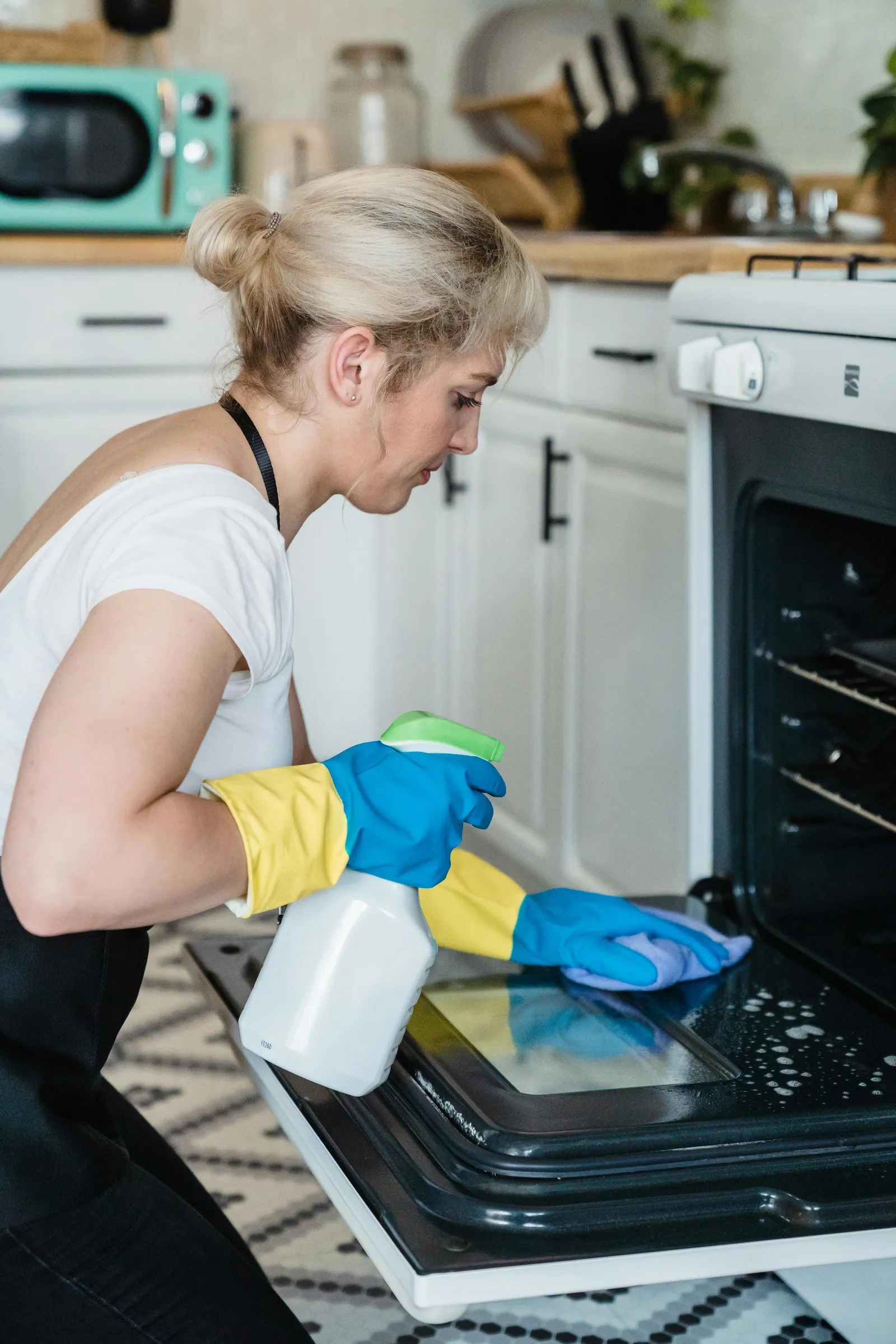
When a professional crew does the heavy cleaning, the allergy sufferer can simply be out while we work. They come home to a house where the dust has been captured, not just moved around.
Homes with kids
Little kids spend a lot of time close to the floor. They crawl, play on rugs and put their hands (and toys) in their mouths. Stuffed animals are dust collectors too, which is why the AAFA includes them in the weekly hot-water wash.
For busy parents, the real issue is time. Weekly vacuuming, damp dusting, bathrooms and bedding every single week is a lot on top of work, school runs and dinner. A recurring clean takes the biggest pieces off your list, and it happens whether or not the week got away from you.
At Union's Cleaning Services we use family-safe products, and if you have a newborn or a child with allergies, just tell us. We'll adjust products and focus areas to fit your home.
Homes with pets
We love pets. But the AAFA is clear: there is no such thing as a hypoallergenic pet. Dander builds up in carpets, upholstery and corners, and pet hair finds its way everywhere.
What helps:
- Keep pets out of bedrooms, especially the allergic person's room.
- Bathe and brush pets often.
- Vacuum carpets and furniture regularly with good filtration.
Our crews clean safely around pets and avoid harsh chemicals that could bother the furry members of your family. Pet owners often book us every week or every other week, because dander doesn't take a break.
Homes with older parents or grandparents
For seniors, cleaning isn't just tiring. Climbing on a step stool to dust a fan, kneeling to scrub a tub or hauling a heavy vacuum up the stairs can be risky. Many older adults also live with breathing conditions that dust and strong fumes make worse.
If you're caring for a parent from a distance, a trusted cleaning crew gives you peace of mind that the home stays clean and safe between your visits. We clean elderly homes with care, patience and respect, and we're happy to follow any special instructions from the family.
Why "trusted" matters as much as "clean"
Letting someone into your home, especially around your kids or an older parent, is a big deal. Not everyone who advertises cleaning is insured or vetted. Before you hire anyone, ask:
- Are you insured? If something is damaged or someone gets hurt, you want to know who is covered.
- Are your cleaners background-checked? You should get a clear yes.
- Can you adjust products for allergies, babies or pets? A good company will ask about this before the first visit.
- Is the price clear up front? No surprises after the job is done.
Every Union's Cleaning Services crew is insured and background-checked, and we've been doing this for more than 10 years.
A simple allergy-friendly cleaning plan
Here's how many of our allergy families split the work:
| Task | How often | Who |
|---|---|---|
| HEPA vacuuming, damp dusting, floors, bathrooms, kitchen | Weekly or every other week | Cleaning crew |
| Deep clean: baseboards, vents, ceiling fans, behind furniture | Every few months | Cleaning crew |
| Wash bedding and stuffed toys in hot water | Weekly | Family |
| Change HVAC and air cleaner filters | As the maker recommends | Family |
| Run a dehumidifier or AC to keep humidity down | Ongoing | Family |
Your doctor or allergist is the right person to guide treatment. A clean home is the everyday support that makes their advice easier to follow.
Want to see what a recurring or deep cleaning plan would cost for your home? Check our NJ cleaning price guide or request a free quote.
Want a cleaner, healthier space without the work?
Union's Cleaning Services sends insured, background-checked crews to homes and businesses across Union, Essex, Middlesex, Hudson, Somerset and Morris counties. Tell us what you need and we'll send a free quote, usually the same day.
Frequently asked questions
Can a cleaning service help with allergies?
Yes. Allergy groups recommend weekly vacuuming with a HEPA filter, damp dusting, hot-water bedding washes and low humidity to cut dust mites and dander. A professional crew keeps that routine on schedule and does the dusty work so the person with allergies doesn't have to breathe it in.
How often should a home with allergies be cleaned?
The AAFA recommends vacuuming once or twice a week and washing bedding weekly in water 130°F or hotter. For most allergy households, a weekly or every-other-week professional clean plus weekly bedding washes is a practical schedule.
Is there such a thing as a hypoallergenic pet?
No. The AAFA states plainly that there is no such thing as a hypoallergenic pet. Regular vacuuming, keeping pets out of bedrooms and frequent grooming help reduce dander.
Should someone with allergies clean their own house?
Cleaning stirs allergens into the air. The AAFA advises people with allergies to wear a mask during housework and to leave the house for several hours after cleaning. Having someone else do the work is often the easier option.