New Jersey summers are sticky, basements take on water in storms, and bathrooms without good fans stay damp for hours. Put those together and mold has everything it needs.
The good news: most household mold is a moisture problem you can get ahead of. Here's what the EPA, CDC and the New Jersey Department of Health recommend.
The root cause is always water
The NJ Department of Health says it directly: mold spores need water to grow, and in most cases mold problems happen when there's excess water. If you clean the mold but don't fix the leak, it comes back.
The EPA's guidance boils down to a few numbers worth remembering:
Why mold matters for your health
According to the EPA, molds produce allergens, irritants and in some cases potentially toxic substances. Allergic reactions to mold are common and can be immediate or delayed.
CDC lists the effects some people experience: a stuffy nose, sore throat, coughing or wheezing, burning eyes or a skin rash. People with asthma or mold allergies can have severe reactions, and people with weakened immune systems or chronic lung disease can get lung infections from mold.
If anyone in your home has asthma, allergies or a health condition, moisture control isn't optional.
Where mold shows up in NJ homes
- Bathrooms: grout, caulk, ceilings above the shower, behind the toilet
- Basements: walls, stored cardboard boxes, carpet on concrete
- Kitchens: under the sink, behind the fridge, around the dishwasher
- Windows: sills and frames where condensation collects in winter
- Laundry areas: washer gaskets and the wall behind the dryer
- AC units and vents: anywhere condensation drips
What you can clean yourself
The EPA says that if the moldy area is less than about 10 square feet, roughly a 3 foot by 3 foot patch, you can handle the job yourself in most cases. A few safety basics:
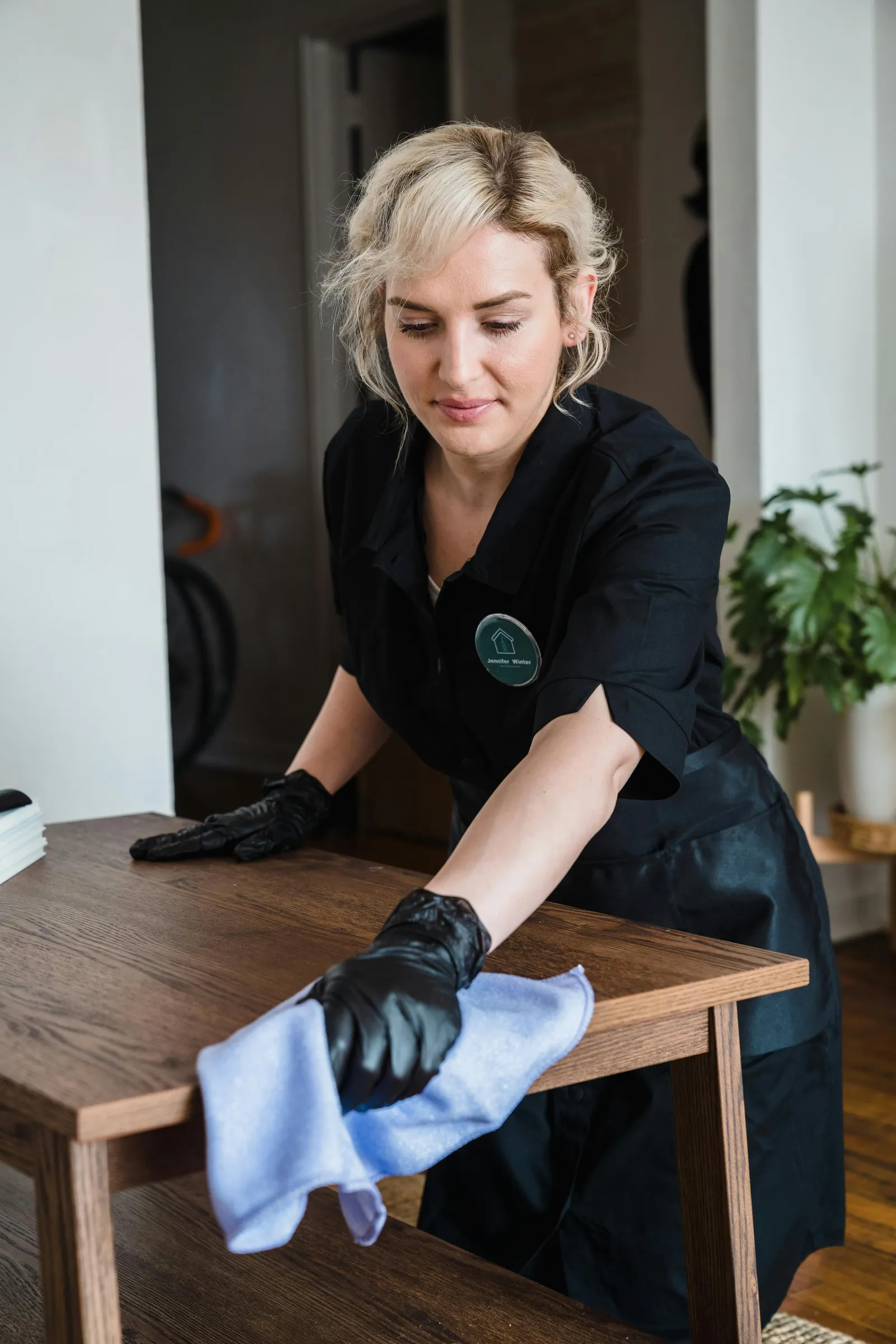
- Protect yourself. AAAAI advises always wearing a protective mask when cleaning mold, and rubber gloves when working with bleach or vinegar solutions.
- Scrub, then dry. Remove the growth from hard surfaces and dry the area completely.
- Never mix bleach with ammonia or acids. That combination can release toxic gases.
- Toss what can't be saved. Porous items like ceiling tiles or carpet that stay moldy may need to be replaced.
When to call a professional
Bring in help when:
- the moldy area is larger than about 10 square feet
- the water came from sewage or a flood
- mold is inside walls, ductwork or the HVAC system
- someone in the home has asthma, allergies or a weakened immune system and shouldn't be exposed
- mold keeps coming back and you can't find the moisture source
The NJ Department of Health recommends having the building inspected when mold can't be traced to an obvious leak. It also notes that New Jersey has no state certification program for mold companies, so ask about training, insurance and methods before you hire anyone. Be wary of any company that calls itself "state certified" for mold in NJ.
One honest note: a cleaning company isn't a mold remediation company. We can keep bathrooms, kitchens and basements clean and dry, handle small surface spots during a clean and flag problems we see. Large or recurring growth needs a remediation specialist, and we'll tell you when that's the case.
Everyday habits that keep mold away
- Run the bathroom fan during showers and for a while after.
- Use a dehumidifier in the basement during humid months. Aim for 30 to 50 percent.
- Fix drips and leaks right away.
- Dry anything that gets wet within 24 to 48 hours.
- Keep gutters clean and downspouts pointed away from the foundation.
- Don't store cardboard boxes directly on basement floors.
- Clean bathrooms regularly so small spots never become big ones.
A regular house cleaning keeps the damp spots in check, and a deep clean gets into the grout, sills and corners that daily wiping misses. Request a free quote for homes in Union, Essex, Middlesex, Hudson, Somerset and Morris counties.
Want a cleaner, healthier space without the work?
Union's Cleaning Services sends insured, background-checked crews to homes and businesses across Union, Essex, Middlesex, Hudson, Somerset and Morris counties. Tell us what you need and we'll send a free quote, usually the same day.
Frequently asked questions
How fast does water damage need to be dried to prevent mold?
The EPA says to dry water-damaged areas and items within 24 to 48 hours to prevent mold growth.
What humidity level prevents mold?
The EPA recommends keeping indoor humidity below 60 percent, ideally between 30 and 50 percent relative humidity.
Can I clean mold myself?
According to the EPA, if the moldy area is less than about 10 square feet (roughly a 3 foot by 3 foot patch), in most cases you can handle it yourself. Larger areas, mold in HVAC systems, or mold after sewage or contaminated water call for a professional.
Does New Jersey certify mold remediation companies?
No. The New Jersey Department of Health states there are no state certification programs for companies performing mold or general indoor air services, so ask any company about its training, insurance and methods.