
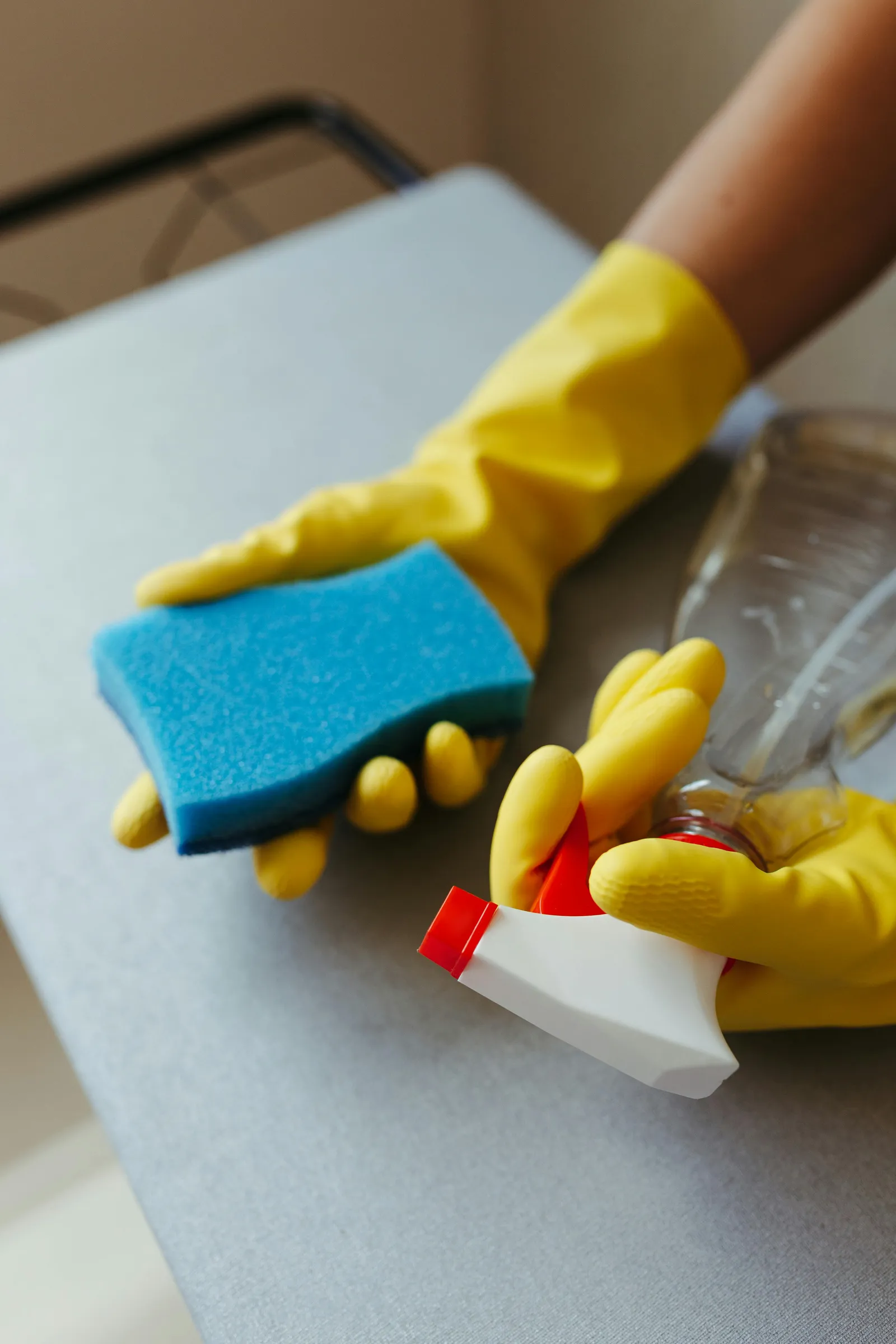
It seems logical: if one cleaner works, two should work better. With some products, that thinking can send someone to the emergency room.
Most people don't know the rules
In a May 2020 CDC survey of 502 U.S. adults, only 58 percent knew bleach should not be mixed with ammonia, and only 35 percent knew it should not be mixed with vinegar.
The same survey found that 39 percent of respondents intentionally did at least one high-risk thing, like putting bleach on food or using household cleaners on their skin. One in four reported at least one health problem in the previous month that they believed came from cleaners or disinfectants.
Cleaning products are also a big part of poison center calls. According to Poison Control's summary of 2024 national data, household cleaning substances were involved in 87,031 exposures among children 5 and under, about 10 percent of cases in that age group.
The combinations to never make
Bleach + ammonia = chloramine gas
The NJ Department of Health warns that this mix creates chloramine gases that can cause coughing, shortness of breath, chest pain, wheezing, nausea, watery eyes and throat irritation. Ammonia shows up in some glass and window cleaners, and in urine, which is why bleach on a dirty toilet or litter area can be a problem.
Bleach + acids = chlorine gas
When chlorine bleach is mixed with an acid, chlorine gas is released. Even low levels for short periods can irritate the eyes, nose and throat and cause breathing problems. Acids hide in more products than you'd expect. The Washington State Department of Health lists:
- vinegar
- some glass and window cleaners
- automatic dishwasher detergents and rinses
- toilet bowl cleaners
- drain cleaners
- rust removal products
- brick and concrete cleaners
The CDC also notes that mixing bleach with vinegar or ammonia, or heating bleach solutions, can generate chlorine and chloramine gases that can cause severe lung damage when inhaled.
These aren't rare accidents
The NJ Department of Health's hazard alert describes real New Jersey workplace cases, including a plumber exposed to chlorine gas after bleach mixed with an acid drain cleaner, and a restaurant worker who died after mixing a descaling product with bleach in a dishwasher.
Safe habits for every home
- One product at a time. CDC's rule is simple: do not mix products or chemicals with each other.
- Rinse between products. If you used a toilet bowl cleaner, flush and rinse before using anything else.
- Read every label, including the small print about what not to combine.
- Keep products in their original containers. Never pour cleaners into water bottles or unlabeled sprayers.
- Open windows and run fans when you clean.
- Store products up high and locked if you have kids, and away from pets.
- Don't heat bleach solutions. CDC lists heat as one of the things that can release dangerous gases.
If anyone breathes in fumes from mixed products, get to fresh air and call Poison Control at 1-800-222-1222. Call 911 for trouble breathing.
Let trained crews handle the chemistry
Professional cleaners use a small set of products for specific jobs, one at a time, and follow label directions. That's part of what you pay for.
At Union's Cleaning Services we use family-safe products and offer eco-friendly options on request. If you have kids, pets, allergies or an older relative at home, tell us and we'll adjust. Book a house cleaning or get a free quote anywhere in Union, Essex, Middlesex, Hudson, Somerset and Morris counties.
Want a cleaner, healthier space without the work?
Union's Cleaning Services sends insured, background-checked crews to homes and businesses across Union, Essex, Middlesex, Hudson, Somerset and Morris counties. Tell us what you need and we'll send a free quote, usually the same day.
Frequently asked questions
What happens if you mix bleach and ammonia?
It creates chloramine gases. The NJ Department of Health warns they can cause coughing, shortness of breath, chest pain, wheezing, nausea, watery eyes and throat, nose and eye irritation.
Can you mix bleach and vinegar?
No. Vinegar is an acid, and mixing chlorine bleach with an acid produces chlorine gas, which can irritate the eyes, nose and throat and cause coughing and breathing problems.
Which products contain ammonia or acids?
According to the Washington State Department of Health, ammonia is found in some glass and window cleaners. Acids are found in vinegar, some glass cleaners, automatic dishwasher detergents and rinses, toilet bowl cleaners, drain cleaners, rust removers and brick and concrete cleaners.
What should I do if I breathed in fumes from mixed cleaners?
Get to fresh air right away and call Poison Control at 1-800-222-1222. Call 911 if someone has trouble breathing or collapses.