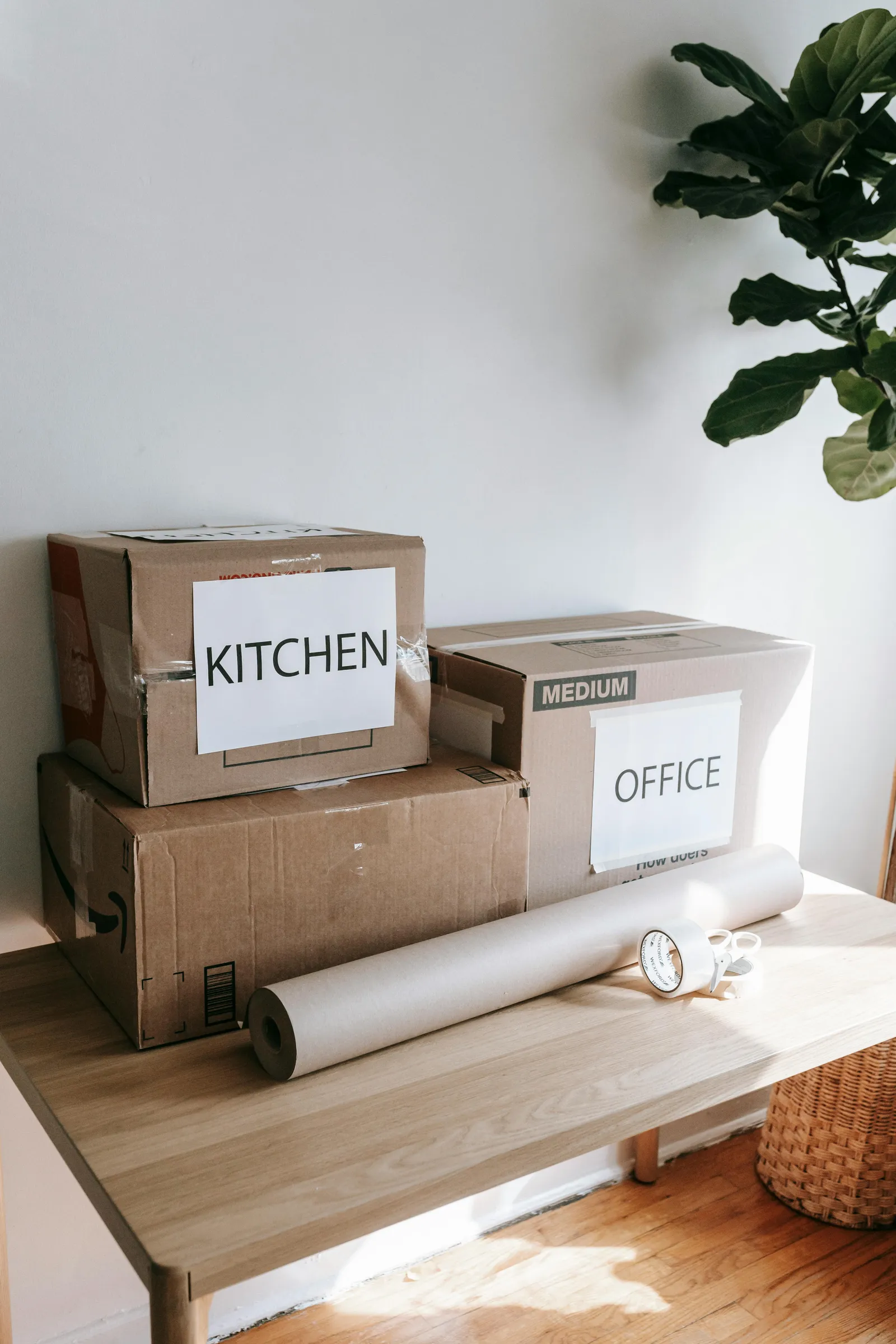
Moving is stressful enough without losing hundreds or thousands of dollars from your security deposit. In New Jersey, the law gives tenants real protections. A clean, well-documented move-out is how you use them.
This article is general information, not legal advice. For questions about your lease, contact the NJ Department of Community Affairs or an attorney.
Americans move a lot
According to the U.S. Census Bureau's American Community Survey, 11.8 percent of people lived in a different home in 2024 than a year earlier. That's millions of households packing up, and in rental-heavy cities like Elizabeth, Newark and Jersey City, a lot of them are tenants hoping to get a deposit back.
What New Jersey law says about security deposits
The rules come from New Jersey's Rent Security Deposit Act (N.J.S.A. 46:8-19 and following). Based on the NJ Department of Community Affairs bulletin, revised July 2025:
The deposit cap. Landlords can't require more than one and a half times the monthly rent.
The 30-day rule. Within 30 days after the lease ends, the landlord must return the security deposit. If money is deducted, an itemized list of those deductions has to be sent too.
What can be deducted. The landlord may deduct for property damage beyond ordinary wear and tear, and for money owed under the lease. Normal wear and tear, like lightly scuffed paint or carpet worn from everyday use, isn't a valid deduction.
If the deposit is wrongfully kept. If a tenant sues successfully, the court awards double the amount, along with full court costs and, at the court's discretion, reasonable attorney's fees.
A quick word of caution: you'll find blog posts online claiming New Jersey recently changed the deadline to 45 days. The DCA's July 2025 bulletin still says 30 days. Always check the official DCA source for the latest.
Where cleaning fits in
Dirt isn't wear and tear. A greasy stove, a scummy tub or a fridge full of old food can turn into a disagreement about whether the unit was left in good condition. The easiest way to avoid that argument is to hand the keys back in a spotless home, with photos to prove it.
Your move-out cleaning checklist
Kitchen
- Inside and outside of the fridge and freezer (unplug only if your lease allows)
- Inside the oven, stovetop, drip pans and range hood
- Microwave inside and out
- Inside all cabinets and drawers
- Backsplash, counters and sink
- Dishwasher interior and door edges
Bathrooms
- Tub, shower walls, glass doors and grout
- Toilet, including the base and behind it
- Sink, faucet, mirror and medicine cabinet
- Exhaust fan cover
Every room
- Baseboards, door frames and light switches
- Window sills and tracks
- Closet shelves and floors
- Ceiling fans and light fixtures
- Vacuum and mop all floors, including inside closets
- Spot-clean marks on walls (check your lease before patching or painting)
Before you hand over the keys
- Take date-stamped photos and video of every room
- Compare them with your move-in photos or checklist
- Return all keys and get a receipt
- Give your landlord your forwarding address in writing so the deposit and any itemized list reach you
DIY or professional move-out clean?
A small apartment can be a long day of DIY. A three-bedroom house with an oven that hasn't been cleaned in years is a different story, especially when you're also packing, working and moving furniture.
A professional move-in / move-out clean is done in an empty home, top to bottom, including the inside of appliances and cabinets. Landlords and property managers book the same service between tenants, so the next person moves into a truly clean home.
For typical price ranges, see our NJ cleaning price guide. Moving out in Union, Essex, Middlesex, Hudson, Somerset or Morris county? Get a free quote, usually the same day.
Want a cleaner, healthier space without the work?
Union's Cleaning Services sends insured, background-checked crews to homes and businesses across Union, Essex, Middlesex, Hudson, Somerset and Morris counties. Tell us what you need and we'll send a free quote, usually the same day.
Frequently asked questions
How long does a landlord in NJ have to return a security deposit?
Under N.J.S.A. 46:8-21.1, the landlord must return the deposit within 30 days after the lease ends, along with an itemized list of any deductions.
How much can a New Jersey landlord charge for a security deposit?
No more than one and a half times one month's rent, according to the NJ Department of Community Affairs.
Can a landlord in NJ deduct for normal wear and tear?
No. Deductions are limited to damage beyond ordinary wear and tear and money owed under the lease. A home left dirty can lead to disputes, so a thorough move-out clean with photos is your best protection.
What if my NJ landlord wrongfully keeps my deposit?
If a tenant sues successfully, the court awards double the amount wrongfully withheld, plus court costs and, at the court's discretion, reasonable attorney's fees. This is general information, not legal advice; contact NJ DCA or an attorney about your situation.